Should I get a circumcised for phimosis? Top 5 alternative treatments
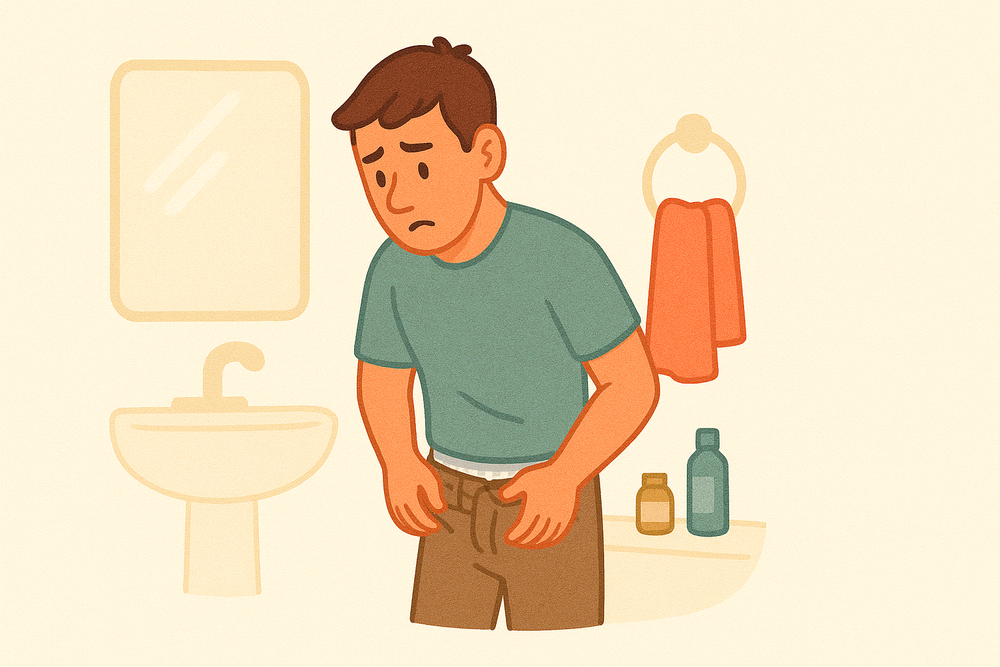
Phimosis is a condition where the foreskin is too tight to be pulled back over the head of the penis (glans). While circumcision is a common and definitive treatment, it is not always necessary, especially for mild to moderate cases. The decision to undergo circumcision should be made after careful consideration of all available options, including non-surgical alternatives.
This document outlines the top 5 alternative treatments for phimosis that may help resolve the condition without the need for circumcision. Always consult with a healthcare professional before starting any treatment plan.
Top 5 Alternative Treatments for Phimosis
The primary non-surgical approaches focus on gradually stretching the foreskin to increase elasticity and allow retraction.
1. Topical Corticosteroid Creams
Applying a prescribed corticosteroid cream to the tight ring of the foreskin can help thin the skin, reduce inflammation, and increase elasticity, making it easier to stretch.
Application Instructions
- Frequency: Typically applied once or twice a day for Date to Date weeks.
- Method: A small amount of cream is gently massaged into the tight band of the foreskin.
- Combined with Stretching: This treatment is most effective when combined with gentle, daily stretching exercises (see below).
2. Manual Stretching Exercises
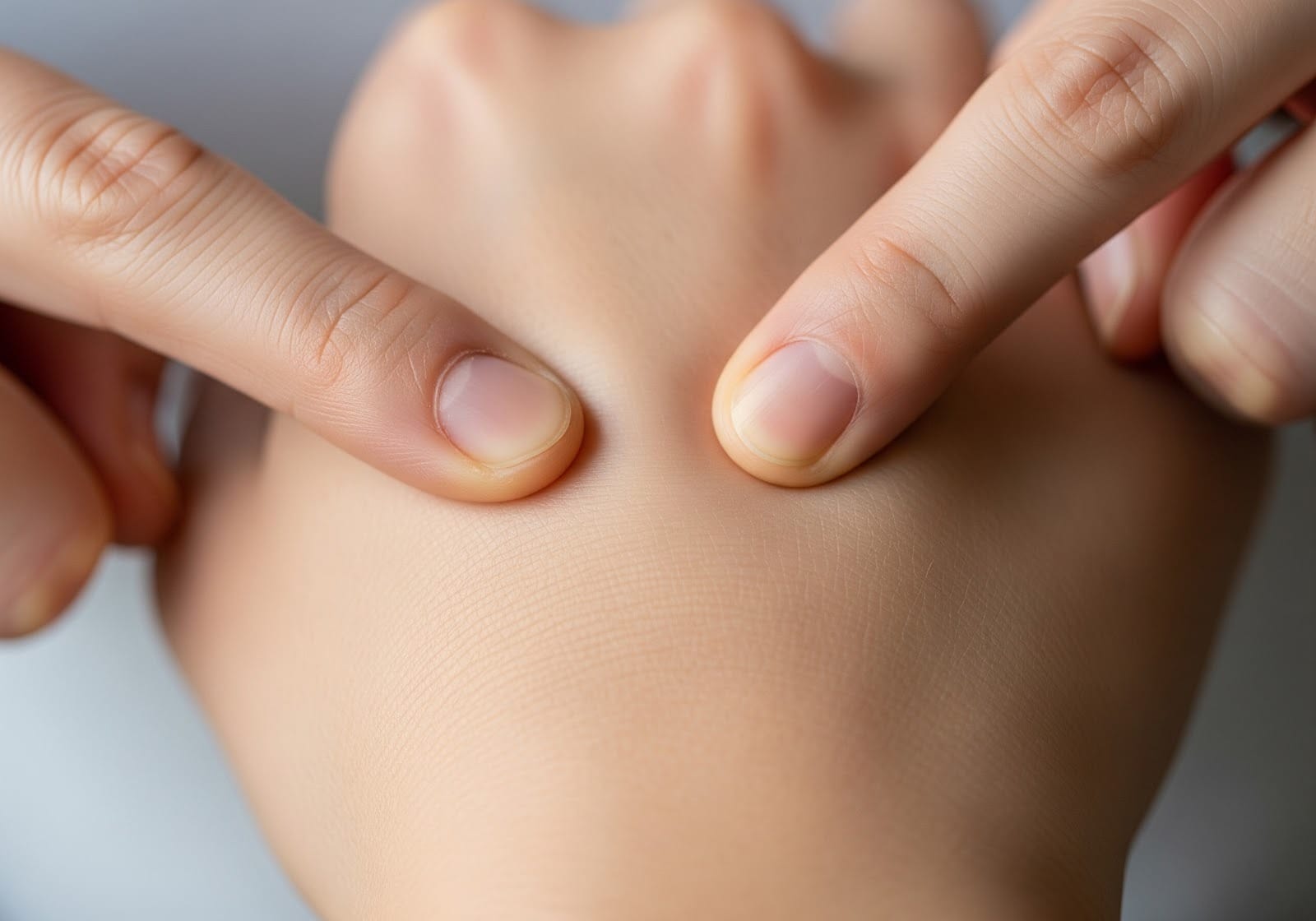
Gentle, persistent manual stretching is a simple yet effective way to loosen the foreskin. This should be performed cautiously to avoid tearing or pain.
Technique
- Apply the prescribed cream (if using).
- Gently pull the foreskin back as far as is comfortable, without causing pain.
- Hold the stretch for approximately Date seconds.
- Repeat this process Date to Date times daily.
3. Stretching Devices
Various non-surgical devices are available that can be used to stretch the foreskin mechanically. These devices are inserted under the foreskin and gradually expanded to apply continuous, controlled tension.
Examples of Devices
- Foreskin stretching rings
- Balloon dilation devices
The use of these devices should be guided by a healthcare professional to ensure proper hygiene and technique, minimizing the risk of injury or infection.
4. Preputioplasty (Dorsal Slit)
While technically a minor surgical procedure, preputioplasty is a foreskin-sparing alternative to full circumcision. It aims to widen the foreskin opening while keeping most of the foreskin intact.
Procedure Overview
- A small, longitudinal incision is made along the tight band of the foreskin.
- The incision is then stitched horizontally, effectively widening the opening.
- Benefit: Preserves the natural function and sensation of the foreskin.
5. Managing Underlying Causes (Balano-Posthitis)
In some cases, phimosis may be acquired (secondary phimosis) due to recurrent infection or inflammation of the glans and foreskin (balanitis or balano-posthitis). Treating the underlying cause can sometimes resolve the tightness.
Treatment Focus
- Hygiene: Improving personal hygiene to prevent fungal or bacterial infections.
- Infection Control: Use of antifungal or antibacterial creams as prescribed by Person.
- Diabetes Management: Phimosis is more common in men with diabetes; managing blood sugar levels is critical.
When Is Circumcision Necessary?
Circumcision (surgical removal of the foreskin) is typically recommended when:
- Alternative treatments have failed after Date months.
- The condition is causing significant complications, such as:
- Pain during urination or sexual activity
- Recurrent, severe infections (balanitis)
- Paraphimosis (a medical emergency where the retracted foreskin becomes trapped and cannot be returned)