The short version
I'm a GP who specialises in men's health, preventive medicine, and longevity. I practice across Australia and New Zealand.
I write evidence-based guides for men who want straight answers about their health — not influencer hype, not overly cautious pamphlets that tell you nothing useful.
If you want personalised guidance, book a consult below. If you want to learn on your own terms, browse the guides.
Keen to chat? Get in touch today.
The longer version (and why I actually care about this stuff)
Here's something most doctors won't tell you: I've been the patient in this story too.
A few years ago, I was the bloke I now help every day. A doctor in my thirties, two young kids, juggling clinical work across multiple hats — general practice, urgent care, palliative care, indigenous health and management. I was sedentary, stress-eating, and running on caffeine and stubbornness.
Then COVID hit, and things got worse.

I was exhausted in a way that sleep didn't fix. My mood tanked. My motivation disappeared. My sperm count tanked. My sex drive — gone. I'd put on weight and couldn't shift it no matter what I tried. I kept telling myself it was just the pandemic, just the stress, just being a new dad. Everyone was struggling, right?
Eventually, I worked up the courage to ask my own GP to check my testosterone levels. And I'll be honest — I was embarrassed to ask. I'm a doctor. I'm supposed to have this figured out. Asking for that blood test felt like admitting something was wrong with me as a man, not just as a patient.

The results came back low. My GP glanced at them and said they were "within range." No follow-up questions about how I was actually feeling. No curiosity about what might be driving it. Fatigue in your thirties? Must be stress. Low libido? You've got young kids, mate.
I took that at face value and did nothing. For years.
During that same period, I discovered my ferritin was sky-high — which eventually led to a diagnosis of DIOS and non-HFE haemachromatosis. I saw specialists. They weren't bad doctors — they just each looked at their piece of the puzzle. Eat better, lose weight, exercise more. Sound advice in isolation, but nobody was joining the dots or asking why a bloke in his thirties was falling apart.
That moment stuck with me. Not because anyone was negligent — but because it showed me how easily specialist medicine can default to pattern-matching instead of thinking. An abnormal result comes in. The algorithm says scope. Scope is normal.
No cancer. Discharged.
Nobody pauses to ask whether the story actually fits.
It took me ten years and countless doctors before I finally figured it out.
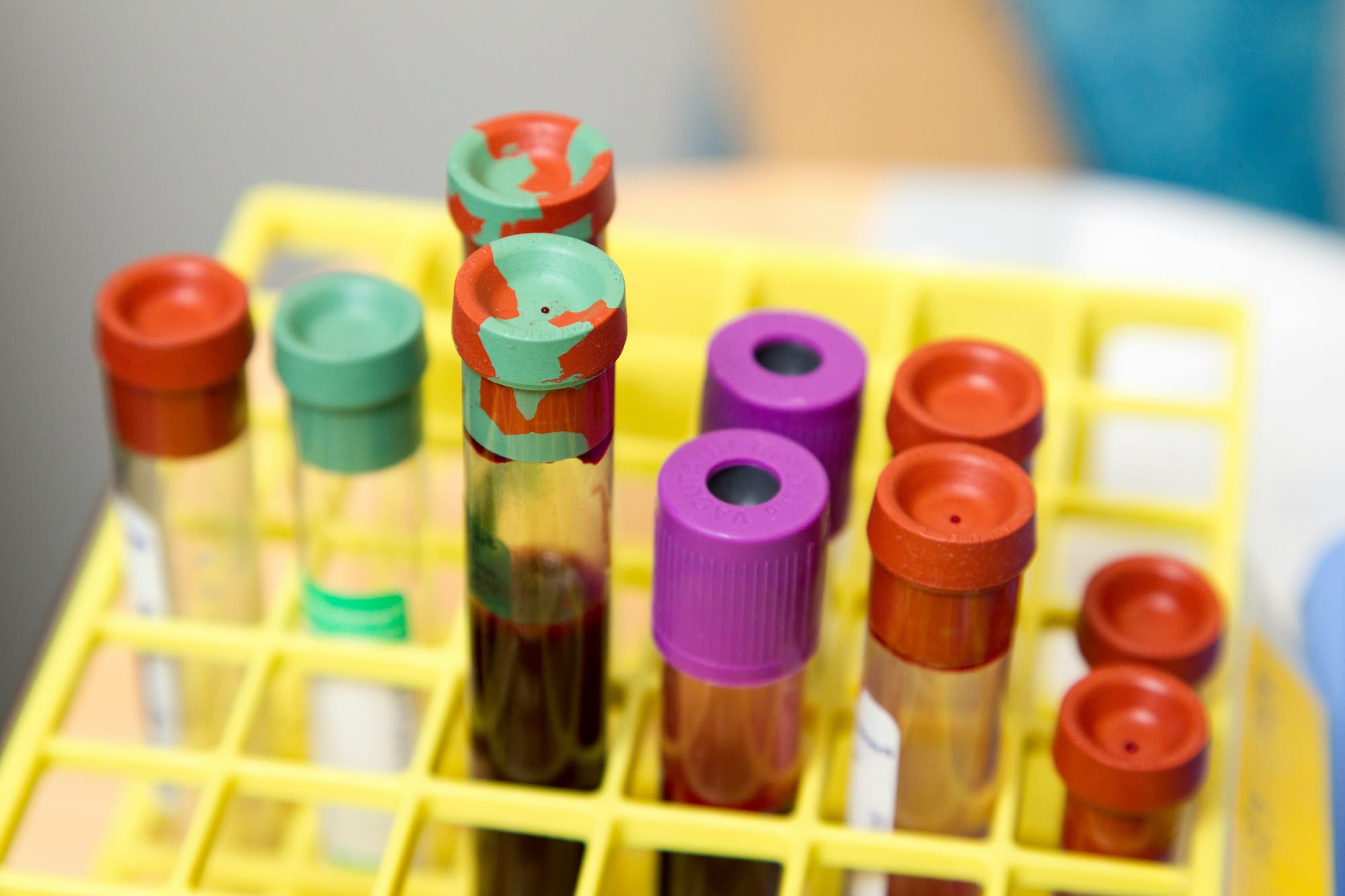
Someone who actually looked at my results properly. Who referred me for the right scans. Who connected the dots between my iron overload, my sleep apnoea, my hormones, my weight, and my mental health — because they were all connected, and nobody had bothered to look at the whole picture.
I started regular phlebotomy to manage the iron. Got treated for sleep apnoea. Worked with a health psychologist. Started proper weight loss management and body recomposition with a personal trainer. And slowly — not overnight, not from a magic pill — my energy came back. My mood lifted. My libido returned. My strength improved. My relationships got better.
I started to feel like myself again. Or maybe, for the first time, I actually understood what "myself" was supposed to feel like.
Why I built this
I'm still learning. I'll probably always be learning. But that decade of having symptoms glossed over, chalked up to "just stress" or "just getting older," and never properly investigated — that changed the kind of doctor I want to be.
I see a lot of men now, everywhere I practice. And the pattern is always the same: men don't come in until things are really bad. And when they do come in, the system often doesn't know what to do with them.
I get it. I've been on both sides — the provider who didn't think to look deeper, and the patient who accepted "you're fine" because it was easier than pushing back.
This site exists because I want to be the resource I wish I'd had ten years ago. Evidence-based, plain-language, and honest — even when honest means saying "we don't know yet" or "the evidence changed and I was wrong about that."

Medicine moves fast. What we thought we knew about hormones five years ago isn't quite what we know now. The same goes for cholesterol, GLP-1 medications, even how we interpret blood tests. I'd rather update my thinking when the evidence shifts than pretend I had it right all along. If you spot something on this site that's out of date, tell me — I'd genuinely rather be corrected than comfortable.
I'm not here to sell you snake oil, or supplements or a miracle protocol. I'm here to help you understand your own body, ask better questions, and find the right people to help you — ideally in less than a decade.
When I'm not doctoring
When I am not doctoring, I live between Melbourne and Auckland — which has left me with strong opinions about Melbourne coffee and New Zealand pies.
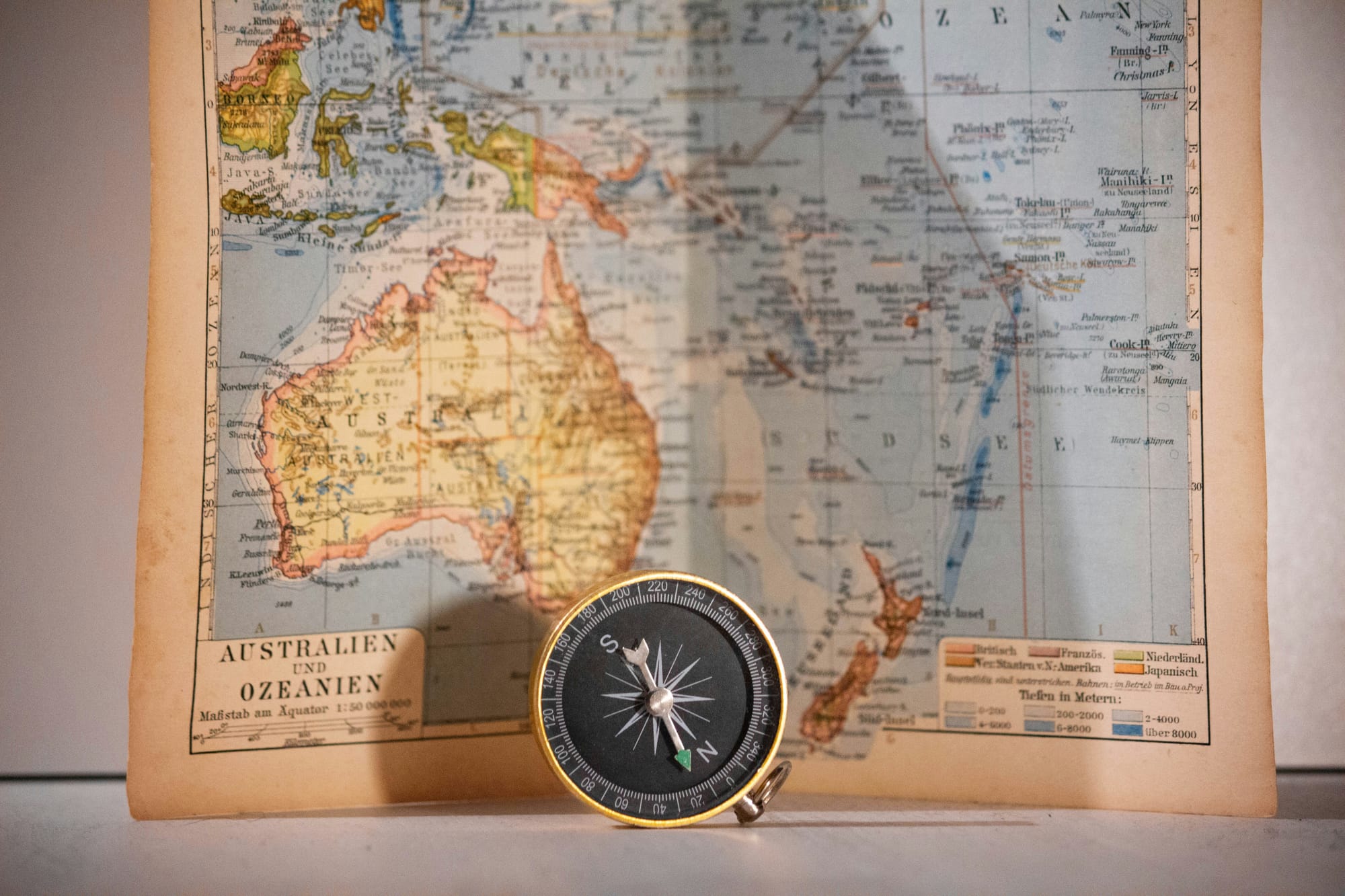
I am quietly obsessed with anthropological biology, philosophy, and questions that refuse neat answers, and I’ve spent time living in Nepal.
I dig Māori hymns and Gregorian chants that I can’t fully explain, and when I need a breather, I flip through The Way of the Superior Man or listen to Esther Perel to ponder why love, desire, and long-term human connections are never as simple as we think.

Guided by epistemic humility and a quiet pursuit of eudaemonia, I am more interested in exploring ideas than claiming definitive answers (apart from who invented the Pavlova?).
If you want a doctor who’ll actually sit with the weird, fascinating parts of being human — rather than just tick boxes and move on — you’ve found him.